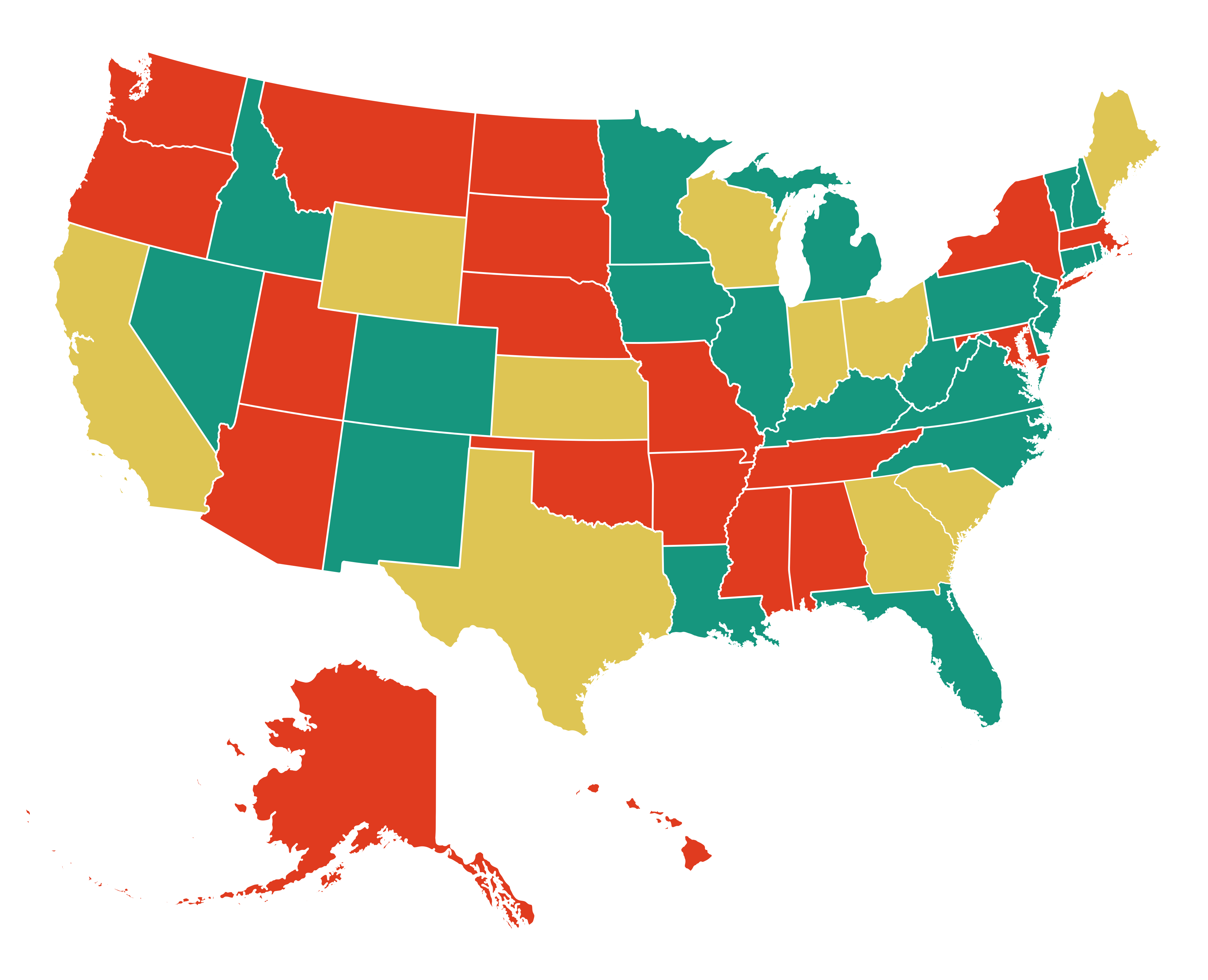
USA Map of Communication Plans for Children birth – 21 who are DHH
Schools, Early Intervention, and other specialized providers who care for children who are deaf/hard of hearing (DHH) often overlook the importance of documenting the Individuals with Disabilities Education Act (IDEA)’s Special Factors. In the federal code, these Special Factors are located at 34 CFR 300.324 (a)(2)(iv-v) and require consideration of the child’s:
- Language and Communication Needs
- Full range of needs
- Opportunities for direct instruction in the child’s language and communication mode
- Opportunities for direct communications with peers and professionals in the child’s language and communication mode
- Academic Level
- Assistive Technologies
Best practices require that detailed information about each of the above factors are documented as part of the child’s Individualized Family Services Plan (IFSP / Birth – 3) or Individualized Education Plan (IEP / 3-21). Most of the time, the documents are called Communication Plans, but names are sometimes state-specific and include titles like “Deaf Child’s Bill of Rights Worksheet” (GA), “Addendum for Students who are Deaf or Hard of Hearing Communication Considerations” (NM), etc. Some states have outstanding, specific guidance, processes, and documents that capture and record IDEA’s Special Factors so all people who work with the child, including parents/caregivers, are aware of these important specifics. You’ll find states that document IDEA’s Special Factors well are green on this map. Other states have some guidance or include part of Special Factors in existing documents, but the process or documents are incomplete, optional, unclear, or difficult to access. Still other states are red, indicating a lack of appropriate attention to best practices for documenting these very important specifics for children who are deaf/hard of hearing.
Click on your state below to learn more about how your state manages these best practice documentation requirements for students who are DHH. For states marked yellow or red, we offer resources you can download to help ensure best practices are applied to the children you serve as a professional. If you are a parent or caregiver, use these resources to prepare for your child’s IFSP or IEP meetings. It is best practice that a Communication Plan document you prepare as your input to your child’s IFSP or IEP process be discussed by the team and included as a referenced attachment to your child’s final IFSP or IEP.
The information provided by the links in this map are tools to support parents / caregivers and professionals, educators, and administrators who serve the needs of children who are deaf and hard of hearing. Nothing provided constitutes legal advice. If you need legal assistance concerning the developmental or educational needs of students who are DHH, contact a qualified, licensed attorney. As you use the information provided, if you find broken links or errors, please contact us.